Building a Knowledge Base: The Foundation of Effective AI Agents
How to organize your company data to create AI agents that actually deliver results for your Southwest Florida business
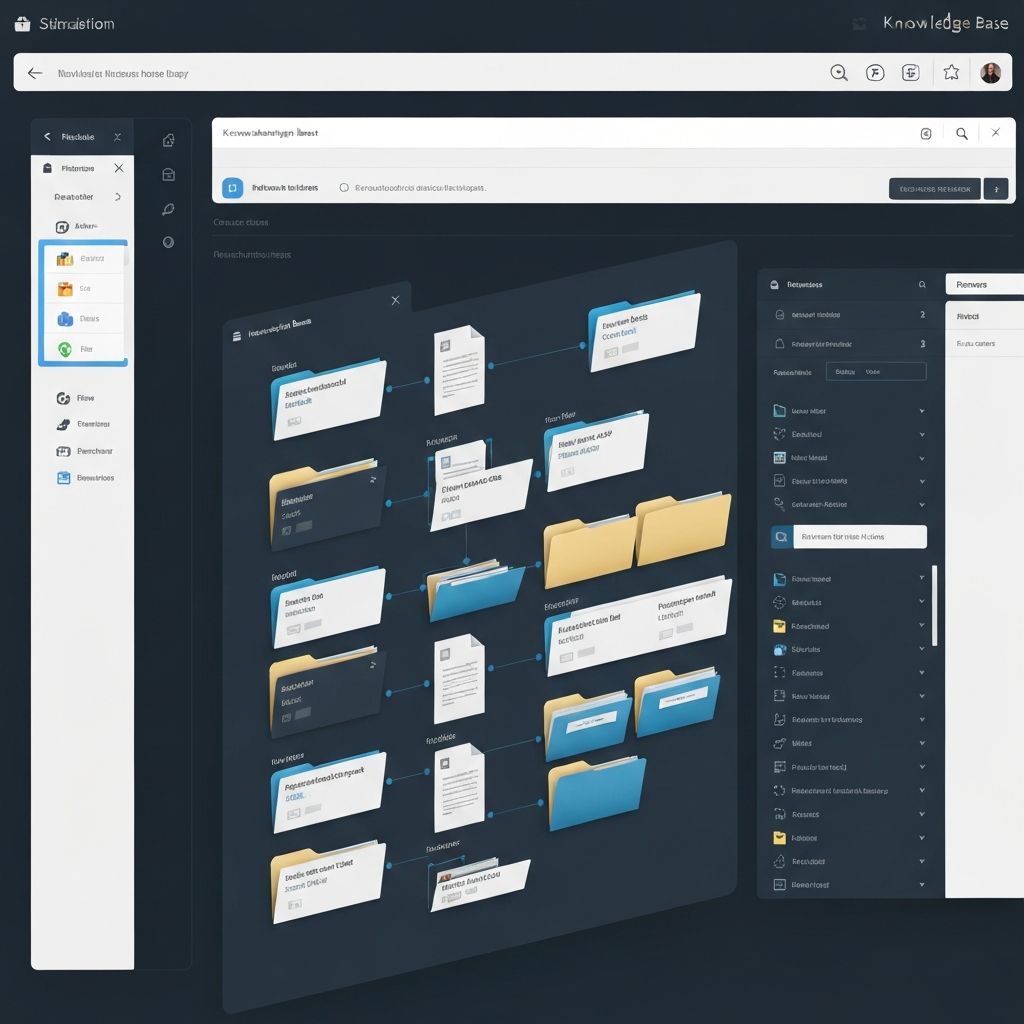
The most common question we get from Naples and Southwest Florida business owners about AI agents is: "How do I make sure it knows everything about my business?" The answer lies in building a comprehensive, well-organized knowledge base.
Your AI agent is only as good as the information it has access to. A poorly organized knowledge base leads to inaccurate responses, frustrated customers, and wasted investment. A well-structured knowledge base creates an AI agent that feels like your most knowledgeable employee—always available, always accurate, always helpful.
What is an AI Knowledge Base?
An AI knowledge base is a structured collection of information that your AI agent uses to answer questions, solve problems, and assist customers or employees. Think of it as the "brain" of your AI system—it contains everything your AI needs to know to represent your business accurately.
For Southwest Florida businesses, this typically includes:
- Company Information: History, mission, values, team bios, locations
- Products & Services: Detailed descriptions, pricing, specifications, use cases
- Processes & Procedures: How you do business, workflows, standard operating procedures
- FAQs: Common questions from customers, clients, or patients
- Policies: Return policies, privacy policies, terms of service, compliance guidelines
- Industry Knowledge: Relevant regulations, best practices, technical specifications
Step-by-Step: Building Your Knowledge Base
Step 1: Audit Your Existing Information
Start by gathering all existing documentation. Most Naples businesses have valuable information scattered across multiple locations:
- Website content (pages, blog posts, FAQs)
- Employee handbooks and training materials
- Customer service email templates and scripts
- Product manuals and specifications
- Process documentation and SOPs
- Previous customer inquiries and responses
- Marketing materials and brochures
Don't worry if this information isn't perfect or complete—we'll refine it in the next steps. The goal is to identify what you have and where the gaps are.
Step 2: Identify Knowledge Gaps
Review your audit and ask: "What questions can't be answered with our existing documentation?" Common gaps include:
Common Knowledge Gaps:
- • Undocumented processes that exist "in people's heads"
- • Industry-specific terminology explanations
- • Edge cases and exceptions to standard procedures
- • Local information (Naples-specific services, Florida regulations)
- • Integration details with other systems or partners
Step 3: Organize by Category and Priority
Structure your knowledge base logically. We recommend organizing by:
- Core Business Information (highest priority) - What you do, who you serve, basic contact info
- Customer-Facing Content - FAQs, pricing, service descriptions, booking procedures
- Internal Processes - How your team handles requests, escalation procedures, workflows
- Technical Details - Product specifications, integration guides, troubleshooting
- Compliance & Policies - Legal requirements, privacy policies, industry regulations
Step 4: Create Consistent Documentation Format
AI agents work best with consistently formatted information. Use a standard template for each knowledge article:
Standard Knowledge Article Template:
Title: Clear, descriptive heading
Category: Which section it belongs to
Summary: One-sentence overview
Content: Detailed explanation with examples
Related Topics: Links to related articles
Last Updated: Date for freshness tracking
Step 5: Write for Clarity, Not Perfection
Your knowledge base doesn't need to be literary perfection—it needs to be clear and comprehensive. Follow these guidelines:
- Use simple, direct language (avoid jargon unless necessary)
- Break complex processes into step-by-step instructions
- Include examples and real scenarios from your Naples business
- Define technical terms when first introduced
- Use bullet points and lists for scanability
- Keep paragraphs short (2-3 sentences)
Industry-Specific Knowledge Base Examples
Law Firms
Legal practices in Southwest Florida should include:
- Practice areas with detailed descriptions
- Initial consultation processes and what to bring
- Fee structures and payment options
- Case type definitions and requirements
- Florida-specific legal procedures and timelines
- Common legal terminology explained for clients
Medical Practices
Healthcare providers in Naples need:
- Services offered with patient-friendly explanations
- Insurance acceptance and billing procedures
- Appointment booking, cancellation, and rescheduling policies
- Pre-appointment instructions for specific procedures
- Patient portal access and usage guides
- Common symptoms and when to seek care (general guidance only)
Small Businesses
Local Southwest Florida small businesses should document:
- Product catalog with descriptions, pricing, availability
- Store hours, locations, and contact methods
- Return and exchange policies
- Loyalty programs and special offers
- Delivery or service area coverage
- Seasonal information (important for Florida tourism businesses)
Technical Aspects: How Knowledge Bases Work with AI
Understanding the technical side helps you create more effective knowledge bases:
Vector Embeddings & Semantic Search
Modern AI agents use "semantic search" to find relevant information. Instead of just matching keywords, the AI understands the meaning and context of questions. Your knowledge base is converted into "vector embeddings"—mathematical representations of meaning that allow the AI to find relevant answers even when different words are used.
Chunking Strategy
Long documents are broken into smaller "chunks" that the AI can efficiently search and retrieve. The optimal chunk size depends on your content type:
- FAQs: Each question/answer pair is typically one chunk
- Process Documentation: Each major step or procedure
- Product Information: One product per chunk with full details
- Policies: Sections organized by topic
Metadata for Better Retrieval
Adding metadata to your knowledge articles helps the AI find the right information faster:
- Categories: Service type, department, topic area
- Tags: Related keywords and concepts
- Dates: When information was created or updated
- Priority: Critical vs. supplementary information
- Audience: Customer-facing vs. internal use
Maintaining and Improving Your Knowledge Base
Your knowledge base isn't a "set it and forget it" project. It needs ongoing maintenance:
Knowledge Base Maintenance Schedule:
- Weekly: Review AI conversation logs for questions it couldn't answer
- Monthly: Update pricing, policies, or seasonal information
- Quarterly: Full content audit to remove outdated information
- Annually: Comprehensive review and reorganization
How Rocket AI Agency Helps
During our 8-week implementation process, we dedicate Weeks 5-6 specifically to knowledge base ingestion and optimization:
- Knowledge Audit: We review your existing documentation and identify gaps
- Content Organization: We restructure information for optimal AI performance
- Metadata Tagging: We add the technical structure needed for accurate retrieval
- Testing & Refinement: We test hundreds of questions to ensure accuracy
- Easy Updates: We provide a simple CMS for ongoing knowledge base management
We also provide training so your Naples team can easily update and maintain the knowledge base after launch. Learn more about what to expect during AI implementation.
The Bottom Line
A well-built knowledge base is the difference between an AI agent that impresses customers and one that creates frustration. It takes upfront effort, but the payoff is enormous: accurate responses, reduced support burden, and an AI agent that truly represents your Southwest Florida business with intelligence and professionalism.
Start with what you have, organize systematically, and commit to ongoing improvement. Your AI agent—and your customers—will thank you.
Need Help Building Your Knowledge Base?
At Rocket AI Agency, we help Naples and Southwest Florida businesses organize their knowledge and build AI agents that deliver accurate, helpful responses every time. Schedule your free consultation today.